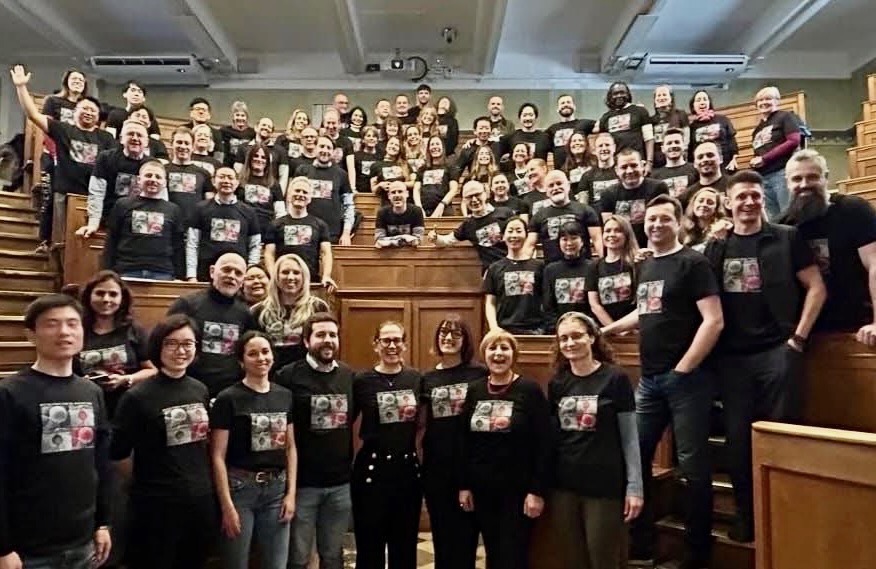
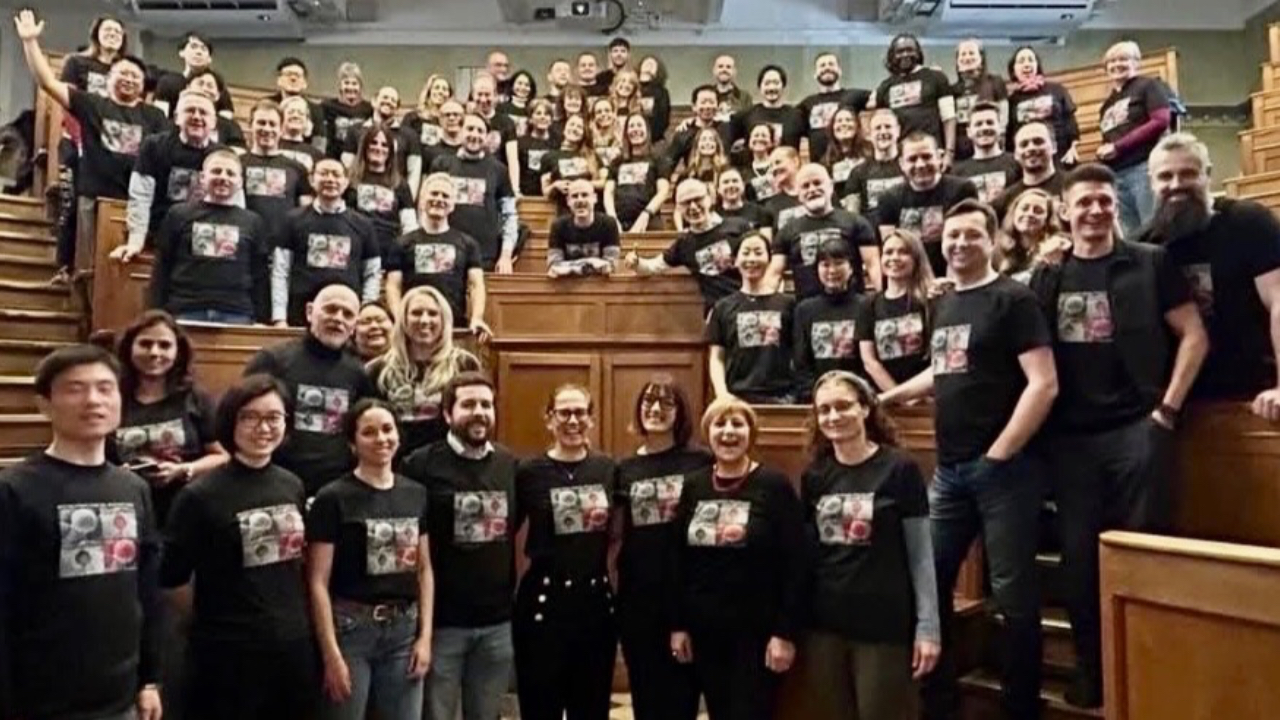
Winter School 2025, Padua University, Italy
Feb 28, 2025We just returned from Winter School at the University of Padua, Italy. This annual weeklong symposium brought together practitioners and researchers from over 22 countries for an intensive week immersed in cutting-edge fascia research.
The University of Padua is one of the oldest universities in all of Europe and has particular importance when it come to human anatomy. During the Renaissance, Padua revolutionized the study of anatomy when Andreas Vesalius introduced direct observation and dissection-based learning, breaking from centuries of reliance on ancient texts. In 1595, the university constructed the world's first permanent anatomical theatre, establishing the model for hands-on, observation-based anatomical education that spread throughout Europe and fundamentally transformed medicine into an empirical science.
Now, centuries later, Padua is once again at the forefront of anatomical discovery—this time focusing on fascia, a tissue long forgotten and dismissed in anatomical education. Led by prominent fascia researcher Dr. Carla Stecco, groundbreaking research is emerging from Padua that is reshaping our understanding of this overlooked system.
At this year's Winter School symposium, leading researchers presented their latest findings. Dr. Carla Stecco unveiled her newly published proposal "Towards a comprehensive definition of the human fascial system" for redefining the fascial system, sparking exciting discussions about how we conceptualize fascia's role in the body and how we communicate about it across disciplines (researchers, anatomists, surgeons, trainers and practitioners). Dr. Caterina Fede shared forthcoming research on alterations in the superficial fascia in lipedema, opening new avenues for understanding this often-misunderstood condition. Other presentations explored everything from pelvic floor fascia and endocannabinoid receptors to the sciatic nerve and fascial changes post-stroke to the use of AI in fascial research.
The research-packed seminars were coupled with hands-on interactive workshops. In the dissection lab, we explored fascia's three-dimensional architecture in fresh tissue directly with Dr. Carla Stecco and her colleagues. We sat down at the microscopes and looked at the histology slides bolstering the microscopic study of fascial anatomy. Seeing the work behind the published papers gave us incredible insight into the painstaking detail of fascia research. We learned how to use ultrasound to visualize our own fascia in our bodies, watching living fascial layers glide in real-time—a remarkable experience that helped us understand why ultrasound is becoming essential for evaluating fascial health and movement. We even visited the veterinary school for a comparative anatomy study of fascia in fish, dogs and even horses, exploring how fascia functions across species.
The University of Padua also houses the Fascial Net Plastination Project's traveling collection of fascia-focused plastinates. AnatomySCAPES' Rachelle Clauson was part of the team who developed these educational tools, helping bodyworkers SEE fascia and understand anatomy in a whole new way, moving beyond the muscle-focused illustrations we're accustomed to seeing.
Between sessions, we toured Palazzo Bò, the historic seat of the University of Padua since 1539 (!!). Palazzo Bò houses the world's first permanent anatomical theatre. Built in 1595 with six elliptical tiers of carved walnut, the teremains inscribed with its original Latin motto: "This is a place where the dead are pleased to help the living." We stood before Galileo Galilei's wooden lectern, built by his students to accommodate the enormous crowds drawn to his lectures from 1592 to 1610—the same years he improved his telescope and made his first astronomical observations. These historic spaces connected us directly to the revolutionary moments that transformed both anatomy and scientific inquiry.
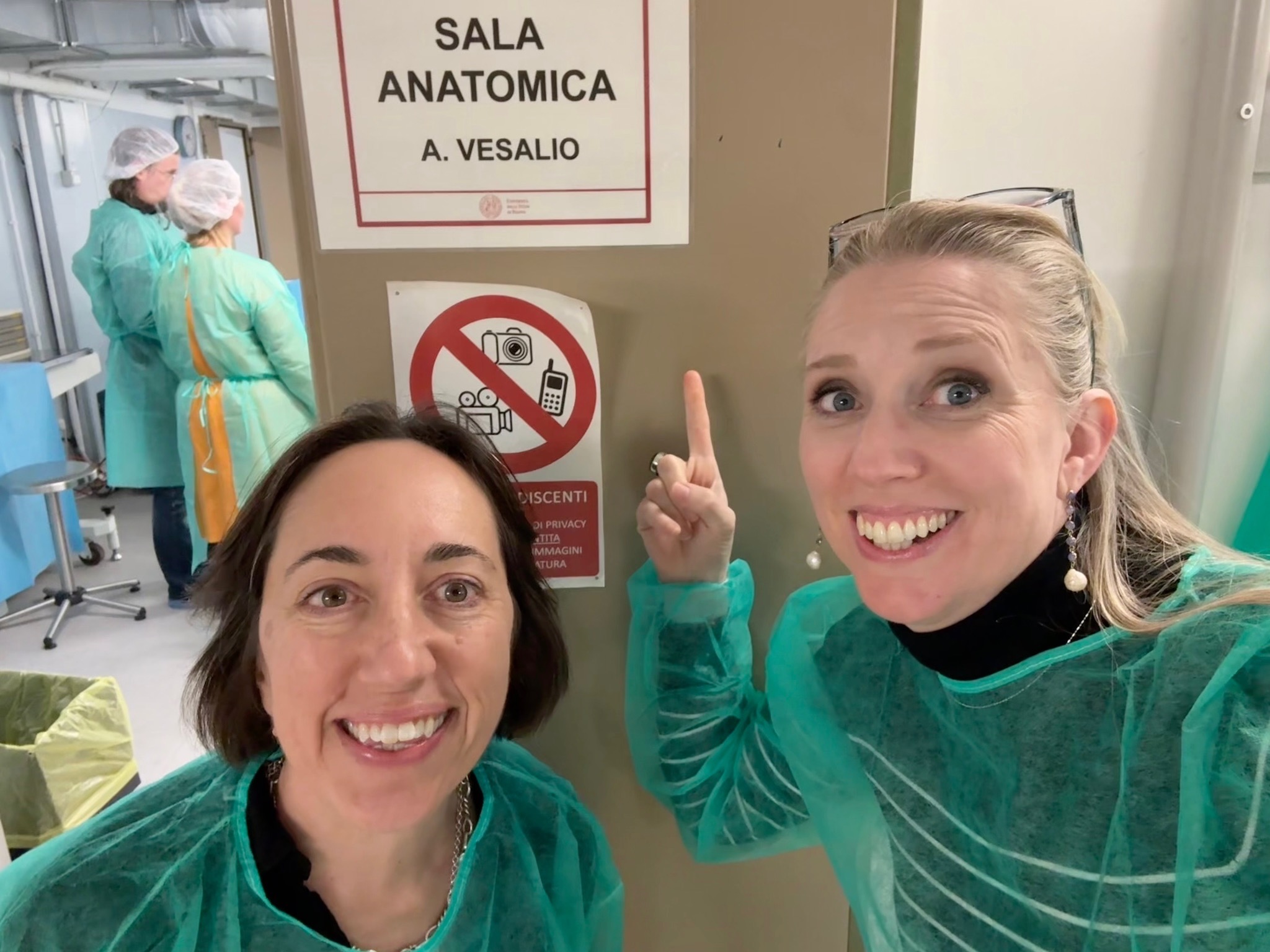
Exploring fascia a the macro level in the dissection lab.
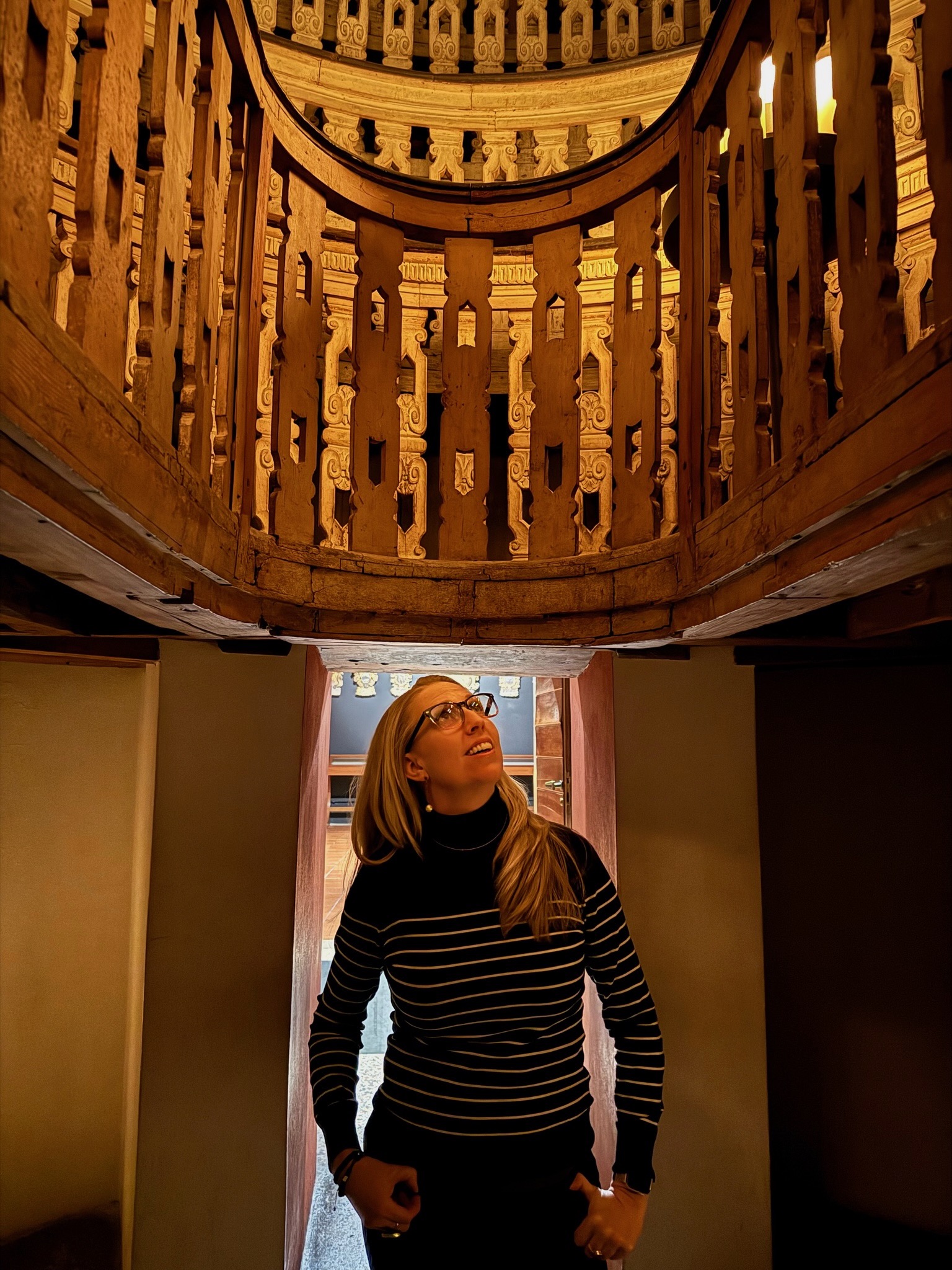
Visiting the anatomical theater at Palazzo Bò.
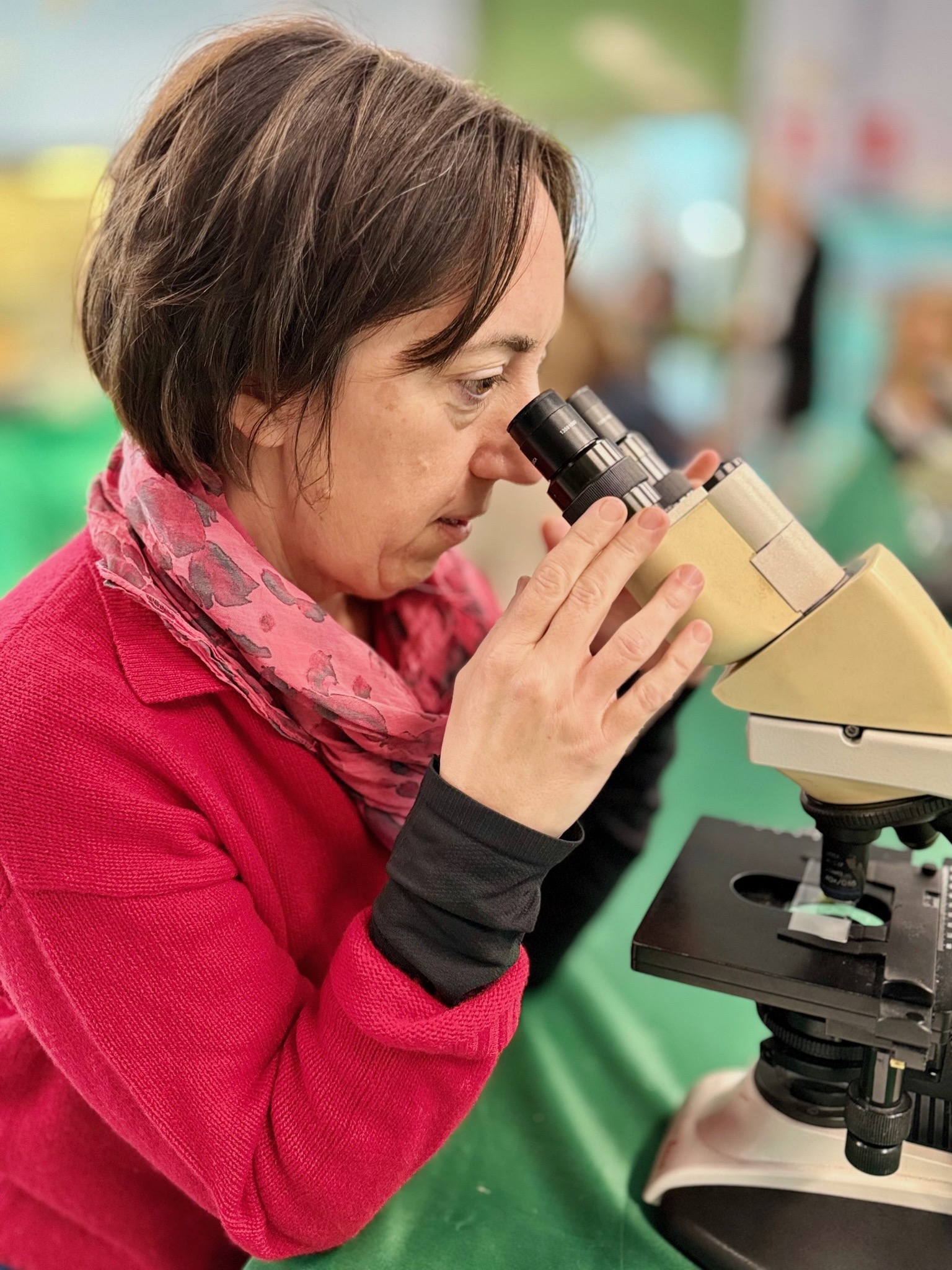
Going cellular! We spent time exloring images of fascia at the microscopes.
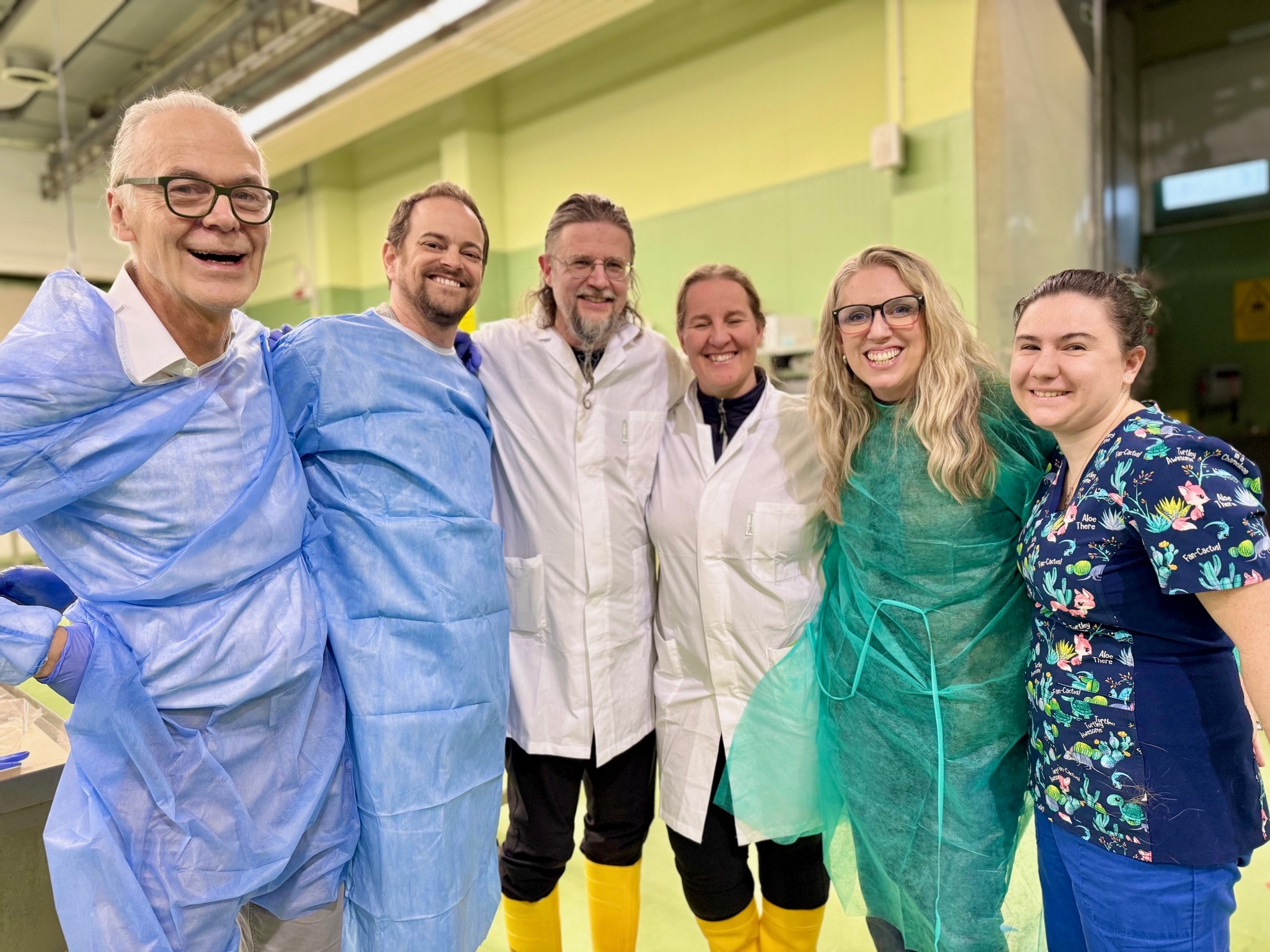
Exploring fascia at the veterinary school.